

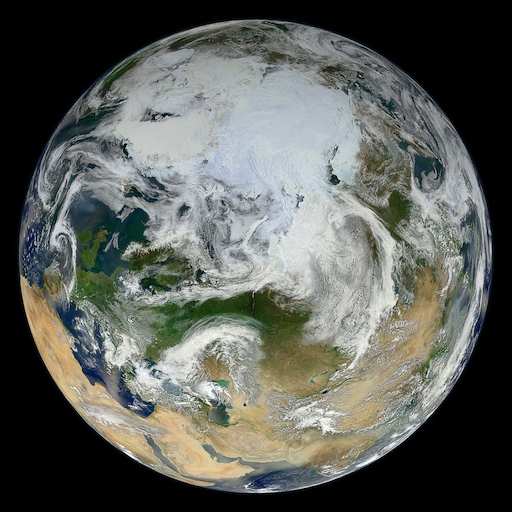
The World. Now.
Introduction
Ever feel like you’re standing on a rapidly spinning globe, trying to keep your balance while everything around you changes at warp speed? You’re not alone. We’re living in a “now” that’s unlike any other in history. Technology evolves overnight, global events cascade across our screens in real-time, and the challenges we face – from climate change to economic inequality – seem to demand immediate, transformative action. But where do we even begin? And how do we navigate this whirlwind without getting swept away? This isn’t just about understanding the problems; it’s about empowering ourselves to be part of the solutions. Let’s dive in.
The Immediate Echoes: Short-Term Pressures
The “now” is defined by immediacy. We see it in the relentless news cycle, the instant gratification of social media, and the demands of a 24/7 global economy. This constant connectivity has incredible upsides, but it also casts some pretty long shadows.
- Information Overload & Anxiety: We’re bombarded with information from every direction. This constant influx can lead to anxiety, a feeling of being overwhelmed, and even a sense of powerlessness. It’s hard to discern what’s truly important and what’s just noise.
- The Gig Economy & Job Insecurity: The rise of the gig economy offers flexibility, but it also creates widespread job insecurity. Short-term contracts, fluctuating income, and a lack of traditional benefits can leave individuals feeling vulnerable.
- Political Polarization: Social media algorithms often amplify extreme viewpoints, creating echo chambers and fueling political polarization. This makes it harder to find common ground and address pressing issues collectively.
These short-term pressures are real, and they impact our daily lives. But beneath the surface, deeper currents are shaping the world we’ll inhabit tomorrow.
The Long Game: Lasting Impacts and Looming Challenges
Beyond the immediate anxieties, several long-term trends are reshaping our world. These are the challenges that will define the future for generations to come.
- Climate Change: The science is clear: climate change is happening, and its effects are becoming increasingly visible. Rising sea levels, extreme weather events, and disruptions to agriculture pose existential threats to communities around the globe.
- Artificial Intelligence & Automation: AI and automation have the potential to revolutionize industries and improve our lives in countless ways. But they also raise concerns about job displacement, algorithmic bias, and the ethical implications of increasingly intelligent machines.
- Resource Depletion: Our planet’s resources are finite. Overconsumption, deforestation, and pollution are putting immense strain on ecosystems and threatening the availability of essential resources like water, clean air, and fertile land.
- Demographic Shifts: Global populations are aging, and migration patterns are shifting. These demographic changes will have profound impacts on economies, social welfare systems, and cultural landscapes.
Ignoring these long-term trends is not an option. They demand proactive solutions and a fundamental rethinking of how we live, work, and interact with the world around us.
Turning the Tide: Practical Solutions for a Changing World
So, what can we do? The good news is that even seemingly insurmountable problems can be tackled with practical, actionable solutions. Here are a few approaches, offering different entry points for individuals and communities.
- Mindful Consumption & Sustainability:
- The Solution: Consciously reduce your consumption of resources. Choose sustainable products, minimize waste, and support companies committed to environmental responsibility.
- Example: Instead of buying new clothes, consider thrifting, repairing existing garments, or participating in clothing swaps. Reduce food waste by meal planning and composting.
- Short-Term Impact: Reduced spending, less clutter, and a sense of contributing to a healthier planet.
- Long-Term Impact: Reduced demand for unsustainable products, less pollution, and a more resilient planet.
- Upskilling & Lifelong Learning:
- The Solution: Invest in continuous learning to adapt to the changing job market. Acquire new skills in areas like data analytics, digital marketing, and renewable energy.
- Example: Take online courses, attend workshops, or volunteer for projects that allow you to learn new skills. Platforms like Coursera, edX, and LinkedIn Learning offer a wide range of affordable courses.
- Short-Term Impact: Increased confidence, improved job prospects, and a sense of empowerment.
- Long-Term Impact: A more adaptable and resilient workforce, reduced unemployment, and a stronger economy.
- Community Engagement & Civic Action:
- The Solution: Get involved in your local community and participate in civic activities. Support local businesses, volunteer for causes you care about, and advocate for policies that promote social justice and environmental protection.
- Example: Join a local environmental group, volunteer at a food bank, or attend town hall meetings to voice your concerns and ideas.
- Short-Term Impact: A sense of connection, a feeling of making a difference, and stronger community bonds.
- Long-Term Impact: A more engaged and resilient community, a more just and equitable society, and a stronger democracy.
- Digital Wellbeing & Information Literacy:
- The Solution: Develop healthy digital habits. Limit your screen time, be mindful of the information you consume, and cultivate critical thinking skills to discern fact from fiction.
- Example: Set boundaries for social media use, fact-check news articles before sharing them, and seek out diverse perspectives.
- Short-Term Impact: Reduced stress, improved sleep, and a greater sense of control over your digital life.
- Long-Term Impact: A more informed and resilient citizenry, reduced polarization, and a healthier information ecosystem.
Choosing Your Path: A Buffet of Solutions
These are just a few examples, and the best approach will vary depending on your individual circumstances and priorities. The key is to find solutions that resonate with you and that you can realistically incorporate into your daily life.
- The Pragmatist: Focus on solutions that offer immediate benefits, such as upskilling to improve your job prospects or adopting sustainable practices to save money.
- The Idealist: Dedicate yourself to causes that align with your values, such as environmental activism or social justice advocacy.
- The Innovator: Explore new technologies and approaches to solve problems, such as developing sustainable energy solutions or creating platforms for community collaboration.
- The Educator: Share your knowledge and passion with others, inspiring them to take action and make a difference.
A Future Forged Together
The world. Now. It’s a complex, challenging, and often overwhelming place. But it’s also a place of immense opportunity, potential, and resilience. By acknowledging the challenges, embracing practical solutions, and working together, we can create a future that is more sustainable, equitable, and fulfilling for all.
Don’t be paralyzed by the scope of the problems. Start small, focus on what you can control, and remember that every action, no matter how small, contributes to the collective effort. The future isn’t something that happens to us; it’s something we create. Let’s roll up our sleeves and get to work. The time is now.
