

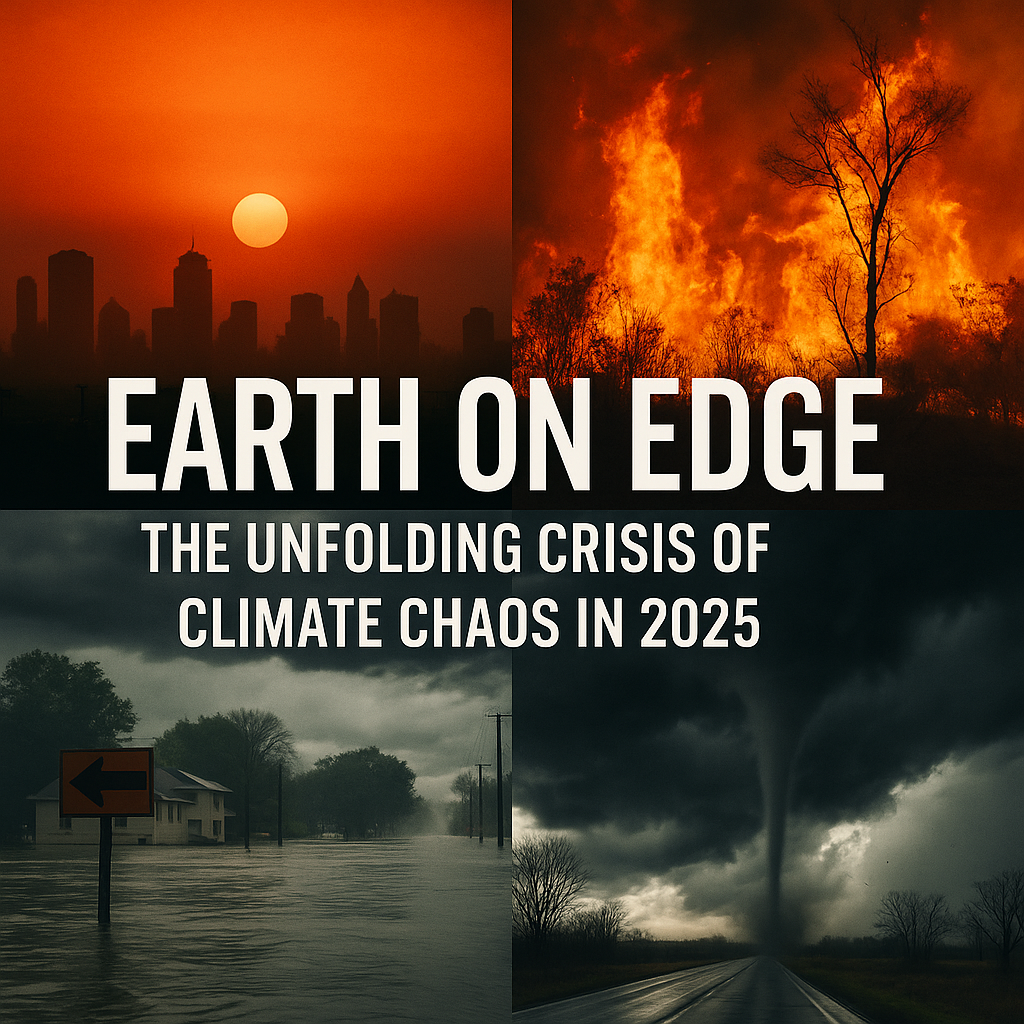
World on Edge: Unfolding Crisis Grips the Amazon Rainforest
Introduction
The air hangs heavy, not just with humidity, but with a sense of impending doom. The Amazon rainforest, the “lungs of the planet,” is teetering on the brink. We’ve all heard the whispers, the alarming headlines, but let’s cut through the noise and dive deep into the heart of this unfolding crisis. We’re not just talking about trees; we’re talking about global climate, biodiversity, and the future of countless communities.
Explanation of the Problem
So, what exactly is happening? In short, the Amazon is being relentlessly chipped away at. Deforestation rates have skyrocketed in recent years, driven by illegal logging, agricultural expansion, and mining operations. These aren’t just isolated incidents; they’re part of a larger, more systemic problem fueled by economic incentives, lax enforcement, and a disturbing disregard for the invaluable role the Amazon plays in our planet’s health.
Think of the Amazon as a giant sponge, soaking up vast quantities of carbon dioxide. When this sponge is squeezed – when trees are felled and burned – that stored carbon is released back into the atmosphere, accelerating climate change. And that’s just the beginning. The Amazon is home to an estimated 10% of the world’s known species. As its habitat shrinks, we risk losing irreplaceable biodiversity, potentially impacting ecosystems worldwide.
Short-Term Pain, Long-Term Consequences:
The immediate impacts are already being felt. Indigenous communities, who have called the Amazon home for centuries, are being displaced and their traditional ways of life threatened. Air quality in surrounding regions plummets during burning season, leading to respiratory problems and other health issues. Beyond the immediate region, the Amazon’s deforestation is contributing to increasingly unpredictable weather patterns, impacting agriculture and water resources across the globe.
Looking ahead, the long-term consequences are even more alarming. Scientists warn that the Amazon is approaching a “tipping point.” Beyond this point, the rainforest will no longer be able to sustain itself, transforming into a savanna-like ecosystem. This irreversible change would unleash catastrophic amounts of carbon dioxide into the atmosphere, drastically accelerating climate change and leading to more extreme weather events, rising sea levels, and widespread ecological disruption.
So, is it all doom and gloom? Absolutely not. While the situation is undeniably dire, hope remains. The good news is that there are solutions – practical, applicable, and readily available – that can help us turn the tide.
Solutions
We need a multi-pronged approach that tackles the problem from all angles. Here are a few key areas where we can make a real difference:
- Sustainable Agriculture and Reforestation: Instead of clearing more land for agriculture, we need to focus on sustainable farming practices that increase yields on existing land. Agroforestry, which integrates trees into agricultural systems, offers a promising solution, providing both food and carbon sequestration.
- Example: In Brazil, the “Consórcio Agroflorestal” project empowers small farmers to adopt agroforestry techniques, increasing their income while simultaneously restoring degraded land.
- Strengthening Law Enforcement and Governance: Illegal logging and mining thrive in areas with weak governance and enforcement. We need to strengthen law enforcement to crack down on illegal activities and ensure that environmental regulations are effectively enforced.
- Case Study: Norway’s commitment to zero deforestation in its supply chains serves as an example of how strong governance and corporate responsibility can drive meaningful change.
- Empowering Indigenous Communities: Indigenous communities are the best guardians of the rainforest. They possess invaluable traditional knowledge about sustainable land management. We need to empower them with land rights, resources, and decision-making power to protect their ancestral lands.
- Example: The COICA (Coordination of Indigenous Organizations of the Amazon Basin) is a regional organization that advocates for the rights of Indigenous peoples and promotes sustainable development in the Amazon.
- Consumer Power and Supply Chain Transparency: We, as consumers, have the power to demand products that are sourced sustainably and ethically. By supporting companies that are committed to deforestation-free supply chains, we can send a powerful message to the market.
- Practical Application: Look for certifications like the Forest Stewardship Council (FSC) when purchasing wood products. Be mindful of the origin of your food, particularly beef and soy, and support brands that prioritize sustainable sourcing.
Alternative Approaches: Choosing the Right Path
Not every solution is a one-size-fits-all. Here are some alternative approaches, each with its own strengths and weaknesses:
- Carbon Offsetting: Investing in carbon offsetting projects can help compensate for emissions associated with deforestation. However, it’s crucial to ensure that these projects are credible and genuinely contribute to carbon sequestration.
- Technological Solutions: Drones and satellite imagery can be used to monitor deforestation in real-time, allowing for rapid response to illegal activities.
- Economic Incentives: Creating economic incentives for conservation, such as payments for ecosystem services, can encourage landowners to protect their forests.
Conclusion
The crisis in the Amazon is a stark reminder of the interconnectedness of our world. What happens in the rainforest affects us all. But the good news is that we all have a role to play in protecting this vital ecosystem.
It starts with education – understanding the issue and spreading awareness. Then comes action – supporting sustainable businesses, advocating for stronger environmental policies, and donating to organizations working on the ground. Even small actions, when multiplied across millions of people, can make a significant difference.
Don’t feel overwhelmed by the scale of the problem. Start small, stay informed, and remain committed. By working together, we can protect the Amazon rainforest and secure a more sustainable future for all. The world is on edge, yes, but that edge can be a launching pad for positive change. Let’s choose to jump. Let’s choose to act. Let’s choose to save the lungs of our planet.
