
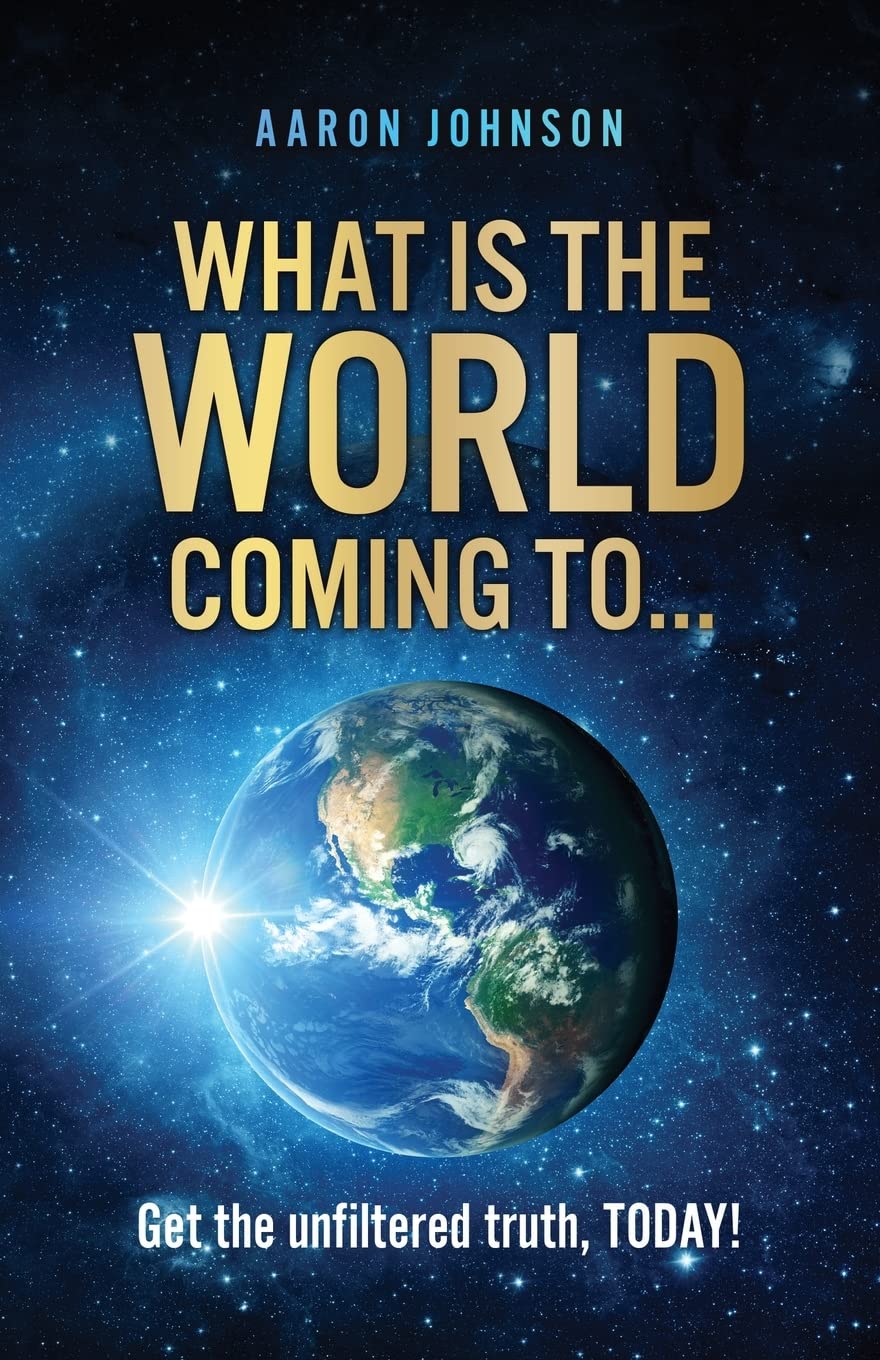
The World Today: Unfiltered.
Introduction
Ever feel like you’re drowning in information? A tidal wave of headlines, opinions, and breaking news constantly crashing over you, leaving you gasping for breath and struggling to make sense of it all? You’re not alone. We’re living in a hyper-connected world, a world that often feels…well, unfiltered. But what does that actually mean, and more importantly, what can we do about it?
Think of “unfiltered” not just as a lack of censorship, but as a lack of context, a deluge of data without a guiding hand. It’s the raw, unedited footage – compelling, yes, but often lacking the narrative thread to truly understand what’s happening, why it’s happening, and what it might mean for us in the long run. This unfiltered reality, while seemingly offering transparency, can ironically lead to confusion, anxiety, and even apathy. So, let’s peel back the layers and see what’s really going on.
The Short-Term Pain, Long-Term Stain
In the short term, the unfiltered firehose leads to information overload. We’re constantly bombarded with notifications, alerts, and updates, making it difficult to focus on anything for an extended period. This constant stimulation can lead to decreased attention spans, increased stress levels, and a general feeling of being overwhelmed. We’re reactive, jumping from one crisis to the next, rarely taking the time to analyze the underlying issues. Remember the last time you scrolled endlessly through social media, feeling exhausted but also strangely compelled to keep going? That’s the short-term pain talking.
But the long-term consequences are potentially more damaging. An unfiltered world can breed misinformation and disinformation, eroding trust in institutions and expertise. When every opinion is given equal weight, discerning fact from fiction becomes incredibly challenging. This can lead to polarization, where people retreat into echo chambers, reinforcing their existing beliefs and becoming increasingly resistant to alternative perspectives. Consider the spread of conspiracy theories online – a prime example of how unfiltered information, coupled with a lack of critical thinking, can have significant real-world consequences. It’s not just about being misinformed; it’s about the erosion of our ability to collectively agree on a shared reality.
Furthermore, this constant barrage of information can lead to compassion fatigue. When we’re constantly exposed to suffering and hardship from around the world, we can become desensitized and less likely to take action. We feel overwhelmed by the scale of the problems and powerless to make a difference. This is the long-term stain – a creeping cynicism that undermines our ability to empathize and engage with the world around us.
So, What Can We Do? Practical Solutions for a Filtered Future
The good news is, we’re not powerless. We can learn to navigate this unfiltered world and even leverage it for positive change. It’s about developing a new set of skills and strategies to become more informed, discerning, and engaged citizens.
Here are a few practical solutions:
- Curate Your Information Diet: Just like you watch what you eat, be mindful of what you consume online. Unfollow accounts that trigger anxiety or negativity. Seek out diverse perspectives from reputable sources. Instead of passively scrolling, actively choose what information you want to engage with.
- Example: Instead of relying solely on social media for news, subscribe to a daily news briefing from a respected news organization like the Associated Press or Reuters.
- Develop Critical Thinking Skills: Question everything. Don’t accept information at face value. Check the source, look for evidence, and consider alternative perspectives. Fact-checking websites like Snopes and PolitiFact can be valuable resources. Learning to identify logical fallacies and cognitive biases can also help you avoid being misled.
- Case Study: The Finnish government has integrated media literacy education into its national curriculum, starting from a young age. This has been credited with helping Finland consistently rank among the most resilient countries against disinformation.
- Embrace Slow News: In a world of instant updates, take the time to engage with in-depth, long-form journalism. Read books, listen to podcasts, and watch documentaries that explore complex issues in detail. This allows you to develop a deeper understanding and avoid being swept away by the latest headlines.
- Example: Instead of reading a short news article about climate change, watch a documentary like “Before the Flood” or read a book like “The Uninhabitable Earth” by David Wallace-Wells.
- Practice Digital Minimalism: Set boundaries around your technology use. Designate specific times for checking email and social media. Create tech-free zones in your home. The goal is to regain control over your attention and reduce the constant stimulation.
- Tip: Use website blockers to limit your time on distracting websites or try the Pomodoro Technique to focus on specific tasks.
- Engage in Meaningful Dialogue: Don’t retreat into echo chambers. Seek out opportunities to engage in respectful conversations with people who hold different views. Listen actively, ask clarifying questions, and be willing to challenge your own assumptions. Even if you don’t change their mind, you can learn something new and foster greater understanding.
- Example: Participate in a community forum or join a book club that explores diverse perspectives.
- Support Quality Journalism: Invest in news organizations that prioritize accuracy, integrity, and in-depth reporting. Subscribe to newspapers, magazines, and podcasts that you trust. By supporting quality journalism, you’re helping to ensure that accurate and reliable information is available to the public.
- Action: Consider donating to a non-profit news organization like ProPublica or the Center for Public Integrity.
Alternative Approaches: A Menu of Options
There’s no one-size-fits-all solution to navigating the unfiltered world. Experiment with different strategies and find what works best for you. Here are a few alternative approaches:
- The News Detox: Take a complete break from news and social media for a week or even a month. This can help you reset your nervous system and gain a fresh perspective.
- The Fact-Checking Circle: Create a small group of friends or colleagues who are committed to fact-checking information together. This can help you share the workload and learn from each other.
- The Advocacy Project: Channel your frustration and anxiety into positive action. Support organizations that are working to address the issues you care about. This can give you a sense of agency and purpose.
A Reason for Optimism
Navigating an unfiltered world is challenging, but it’s also an opportunity. An opportunity to develop critical thinking skills, to cultivate empathy, and to engage with the world in a more meaningful way. It’s an opportunity to become more informed, discerning, and empowered citizens.
The sheer volume of information can be overwhelming, but it also means that there’s more access to diverse perspectives and voices than ever before. By actively curating your information diet, developing critical thinking skills, and engaging in meaningful dialogue, you can navigate the unfiltered world and contribute to a more informed and connected society.
Don’t let the noise drown out your ability to think, to feel, and to act. Embrace the challenge, develop your filters, and become a beacon of clarity in a world that often feels chaotic and confusing. The future isn’t just about more information; it’s about better information, and that starts with you. So, take a deep breath, step back from the firehose, and start building your own filters today. The world needs your informed perspective now more than ever.
