
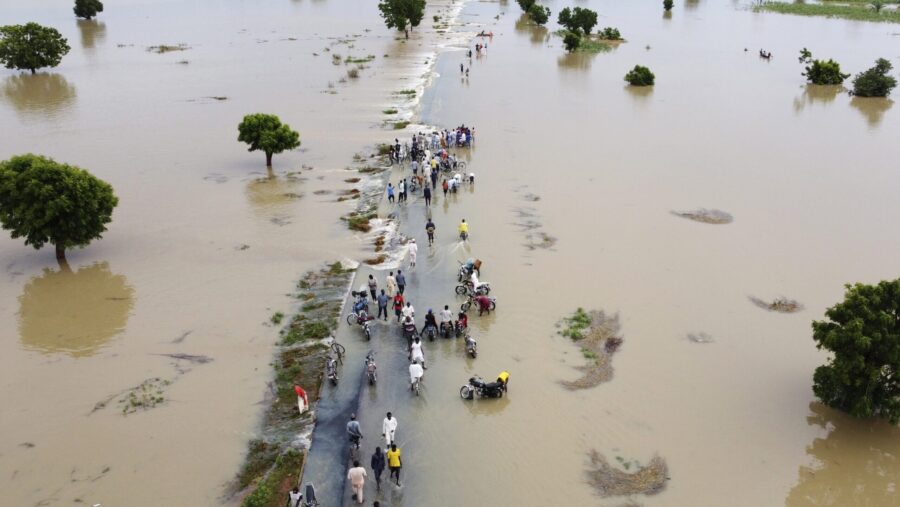

In a shocking turn of events, more than 200 inmates escaped from a Nigerian prison after heavy floods caused by torrential rains tore down the facility’s walls. The prison, located in the central part of the country, was overwhelmed by the floodwaters, leading to a large-scale breakout and sparking a manhunt for the escaped prisoners.
The incident has raised serious concerns about the vulnerability of the nation’s infrastructure to extreme weather events, particularly its prisons, and has exposed the dangers posed by climate change to Nigeria’s already fragile systems of law and order.
The Devastating Floods
The flooding, which followed days of intense rainfall, devastated several regions across Nigeria, affecting homes, roads, and essential services. The prison, located in Koton Karfe in Kogi State, is situated near the River Niger, an area prone to seasonal flooding. However, this year’s floods were particularly severe, with the rising waters breaching the prison’s perimeter walls, allowing inmates to flee in the chaos.
According to prison authorities, the floodwaters quickly inundated the facility, submerging large sections of the prison and making it impossible for guards to maintain control. The walls crumbled under the pressure of the water, creating multiple breaches that allowed the inmates to escape into the surrounding areas.
A Widespread Manhunt
Following the escape, Nigerian security forces launched an extensive manhunt to recapture the prisoners, deploying police and military units across the region. Local residents were urged to remain vigilant and report any suspicious activity to authorities, as many of the escapees were awaiting trial or serving sentences for serious crimes.
Prison officials have confirmed that while some inmates have already been recaptured, hundreds remain at large. Efforts to track down the escapees have been hampered by the continuing rains and the widespread flooding, which has made many roads impassable and cut off communication in some areas.
This escape is one of the largest in recent Nigerian history, and it has placed immense pressure on security forces already stretched thin by ongoing conflicts with armed groups, kidnappings, and other criminal activities in various parts of the country.
Infrastructure Struggles
The incident has underscored the vulnerability of Nigeria’s critical infrastructure, particularly its prisons, to natural disasters. Nigeria’s prison system, already plagued by overcrowding, inadequate facilities, and poor security, has now had to contend with the additional challenges mponusa login posed by extreme weather conditions linked to climate change.
Experts have long warned that Nigeria’s infrastructure is ill-equipped to handle the increasing frequency and intensity of floods, droughts, and other climate-related events. Many prisons, like the one in Koton Karfe, are located in flood-prone areas and lack the proper flood defenses, making them susceptible to damage.
The flooding disaster has sparked calls for immediate action to improve the country’s prison infrastructure and to put in place measures to mitigate the risks posed by natural disasters. This includes relocating prisons from high-risk areas, reinforcing existing facilities, and implementing better emergency preparedness plans.
Government Response
In response to the prison break, Nigerian authorities have vowed to recapture all escaped inmates and are taking steps to prevent similar incidents in the future. The Ministry of Interior has ordered a review of prison locations and their vulnerabilities to natural disasters. Additionally, the Nigerian Correctional Service has promised to strengthen flood defenses around the country’s most at-risk facilities.
Nigeria’s President Muhammadu Buhari expressed his concern over the situation, stating that the safety of Nigerian citizens remains a top priority. The government has pledged support to Kogi State and other flood-affected regions, with relief efforts underway to assist those displaced by the disaster.
However, critics have pointed out that Nigeria’s prison system has been neglected for years, and the flooding incident is just one of many challenges facing the country’s correctional facilities. Overcrowding, underfunding, and poor living conditions have long been issues within the prison system, and the recent flooding disaster has only highlighted the need for urgent reform.
Climate Change and Nigeria’s Future
The prison break in Koton Karfe is a stark reminder of the growing threat that climate change poses to Nigeria. As one of the most populous countries in Africa, Nigeria is particularly vulnerable to the effects of global warming, with rising sea levels, increased rainfall, and extreme weather events already impacting the country.
Flooding has become a common occurrence in many parts of Nigeria, particularly during the rainy season. In recent years, cities like Lagos, Port Harcourt, and Abuja have experienced devastating floods that have displaced thousands and caused widespread damage to homes, businesses, and infrastructure.
The Nigerian government has been criticized for its slow response to the climate crisis and its failure to invest in the necessary infrastructure to protect vulnerable communities. As extreme weather events become more frequent, the need for comprehensive climate adaptation strategies has never been more urgent.
Conclusion
The escape of over 200 inmates from the Koton Karfe prison, triggered by catastrophic flooding, has exposed the fragility of Nigeria’s prison system and the broader challenges the country faces in dealing with climate change. As the government works to recapture the escapees and assess the damage, the incident serves as a wake-up call for the urgent need to address Nigeria’s vulnerability to natural disasters.
With climate change intensifying, Nigeria must prioritize the strengthening of its infrastructure, including its prison system, to protect against future disasters. Failure to do so could lead to more incidents of this nature, threatening the safety and security of the entire nation.