
BREAKING: World on Edge
Introduction
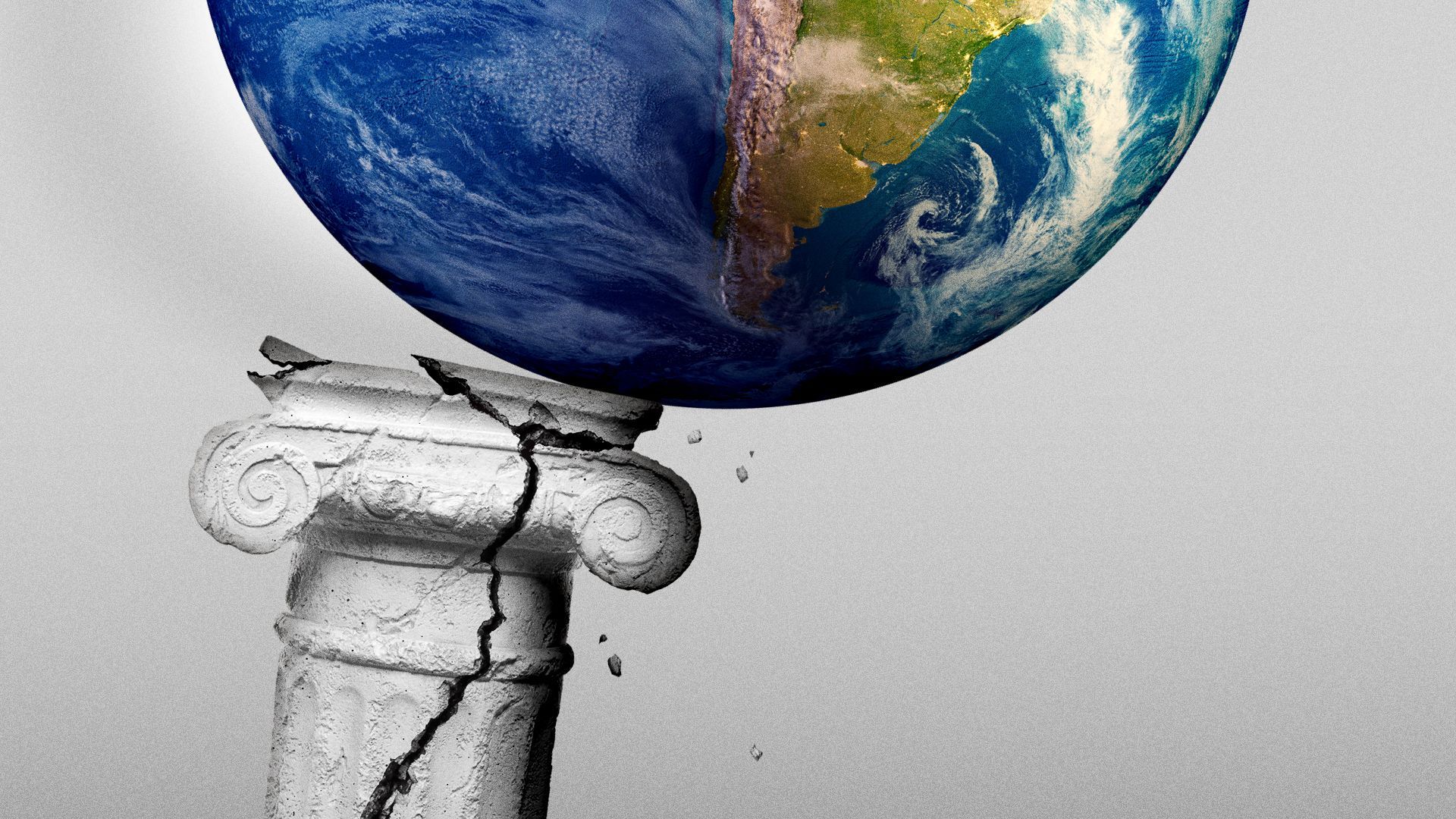
Let’s be honest, does that headline surprise anyone anymore? It feels like we’ve been teetering on the precipice for… well, for a while now. From escalating geopolitical tensions to the looming climate crisis, the weight on our collective shoulders is palpable. But before you reach for the anxiety meds (or another doomscroll), let’s take a deep breath and unpack what’s really happening, what it means for the immediate future, and most importantly, what we can *actually* do about it. This isn’t another Chicken Little story; it’s a call to informed action.
The Boiling Frog: What’s Fueling the Global Unease?
It’s easy to feel overwhelmed by the sheer volume of problems vying for our attention. To cut through the noise, let’s focus on a few key pressure points that are contributing to the current global unease:
- Geopolitical Instability: The war in Ukraine continues to send ripples across the globe, impacting energy markets, food security, and international relations. Other regions are also facing their own unique challenges, with political unrest, territorial disputes, and humanitarian crises creating a complex and volatile landscape. Think of it like a Jenga tower – each conflict, each broken agreement, weakens the overall structure of global stability.
- Economic Uncertainty: Inflation continues to gnaw at household budgets, while recession fears loom large. Supply chain disruptions, driven by both geopolitical factors and lingering pandemic effects, are contributing to price volatility and economic slowdown. For many, the dream of financial security feels increasingly out of reach, fueling resentment and instability.
- Climate Change: The Unfolding Catastrophe: Extreme weather events are becoming more frequent and more intense, from devastating floods to prolonged droughts. The science is clear: climate change is not a future threat; it’s happening now, and its consequences are already being felt around the world.
- Technological Disruption & Misinformation: Rapid advances in artificial intelligence and other technologies offer immense potential, but also pose significant challenges. The spread of misinformation and disinformation online is eroding trust in institutions and fueling social division. We’re in a battle for truth, and the stakes are incredibly high.
Short-Term Impacts: Feeling the Squeeze
In the short term, these global pressures are manifesting in several tangible ways:
- Increased Cost of Living: From groceries to gasoline, the rising cost of essential goods and services is putting a strain on families and businesses alike. This financial pressure is disproportionately impacting vulnerable populations, exacerbating inequality and social unrest.
- Energy Crisis: The disruption of energy supplies, particularly in Europe, has led to soaring energy prices and concerns about energy security. This is forcing individuals and businesses to make difficult choices about how to heat their homes and power their operations.
- Supply Chain Disruptions: Continued disruptions to global supply chains are impacting the availability of goods and services, leading to delays and higher prices. This is particularly concerning for industries that rely on complex global supply networks.
- Political Polarization: The rise of misinformation and social division is fueling political polarization and making it more difficult to find common ground on critical issues. This is hindering our ability to address the challenges we face collectively.
Long-Term Impacts: A World Transformed?
The long-term impacts of these converging crises are potentially transformative:
- Increased Inequality: Without proactive measures, the economic and social fallout from these crises could exacerbate existing inequalities, creating a society even more divided between the haves and have-nots.
- Environmental Degradation: Continued inaction on climate change will lead to more severe and frequent extreme weather events, with devastating consequences for ecosystems and human societies. Coastal communities will face inundation, agricultural lands will become infertile, and mass migrations will become more common.
- Geopolitical Realignment: The current global order is being challenged, with new power centers emerging and existing alliances shifting. This could lead to a more multipolar world, with increased competition and potential for conflict.
- Erosion of Democracy: The rise of authoritarianism and the spread of misinformation pose a serious threat to democratic institutions and values. Protecting and strengthening democracy will be essential to navigating the challenges ahead.
Turning the Tide: Practical Solutions and Actionable Steps
Okay, enough doom and gloom. The good news is that we’re not powerless. There are concrete steps we can take, both individually and collectively, to mitigate the risks and build a more resilient and sustainable future.
Here are some practical solutions, broken down into manageable areas:
- Strengthening Local Economies & Supply Chains:
- Support Local Businesses: Consciously choose to shop at local businesses whenever possible. This strengthens your community’s economy and reduces reliance on global supply chains. Think about your local farmers’ market, neighborhood grocery store, or independent bookstore.
- Invest in Sustainable Agriculture: Support farmers who are using sustainable farming practices that reduce reliance on chemical inputs and promote soil health. Consider joining a Community Supported Agriculture (CSA) program to get fresh, local produce directly from a farmer.
- Example: The “Shop Local” movement in many cities demonstrates how collective action can significantly boost local economies. Cities that actively promote and support local businesses have seen increased job creation, higher tax revenues, and a more vibrant community.
- Promoting Energy Efficiency and Renewable Energy:
- Reduce Your Energy Consumption: Take simple steps to reduce your energy consumption at home and at work. This includes turning off lights when you leave a room, using energy-efficient appliances, and insulating your home properly.
- Invest in Renewable Energy: Consider installing solar panels on your home or business. Explore community solar programs if rooftop panels aren’t an option. Advocate for policies that support the development of renewable energy infrastructure.
- Example: Germany’s Energiewende (energy transition) is a large-scale example of a country investing heavily in renewable energy. While it has faced challenges, it demonstrates the potential for transitioning to a cleaner energy system.
- Combating Misinformation and Promoting Critical Thinking:
- Be a Skeptic: Don’t automatically believe everything you see or read online. Question the source, look for evidence, and consider alternative perspectives.
- Support Fact-Checking Organizations: Donate to organizations that are dedicated to fact-checking and debunking misinformation. Share accurate information with your friends and family.
- Promote Media Literacy Education: Advocate for media literacy education in schools and communities. Teach people how to identify misinformation and disinformation, and how to critically evaluate sources of information.
- Example: Organizations like Snopes and PolitiFact are dedicated to fact-checking news and information. They provide valuable resources for identifying misinformation and understanding the truth behind complex issues.
- Engaging in Civic Action and Advocacy:
- Vote: Participate in elections at all levels of government. Vote for candidates who are committed to addressing the challenges we face and building a more just and sustainable future.
- Contact Your Elected Officials: Let your elected officials know your concerns and priorities. Write letters, send emails, or make phone calls. Attend town hall meetings and voice your opinions.
- Support Organizations Working for Change: Donate to or volunteer with organizations that are working to address the issues you care about.
- Example: The Sunrise Movement is a youth-led organization that is advocating for bold action on climate change. They have mobilized young people across the country to demand that policymakers prioritize climate action.
The beauty of these solutions is that you can choose the ones that best fit your circumstances and values. Feeling overwhelmed by climate change? Start small by reducing your carbon footprint. Concerned about misinformation? Sharpen your critical thinking skills and share accurate information. Want to strengthen your community? Support local businesses and get involved in local government.
There’s no one-size-fits-all solution. The key is to take action, however small, and to encourage others to do the same. Collective action, even in small increments, can create significant change.
The Future is Not Written: A Call to Action
The world may be on edge, but it’s also on the cusp of incredible potential. We have the knowledge, the technology, and the resources to address the challenges we face. What we need now is the will to act.
Don’t let the scale of the problems paralyze you. Start small, stay informed, and get involved. Every action, no matter how seemingly insignificant, contributes to a larger movement for change.
Let’s move forward with cautious optimism and a renewed sense of purpose. The future isn’t something that happens *to* us; it’s something we create, together. Let’s choose to create a future that is more just, more sustainable, and more resilient. The world is watching. What will we do?
