

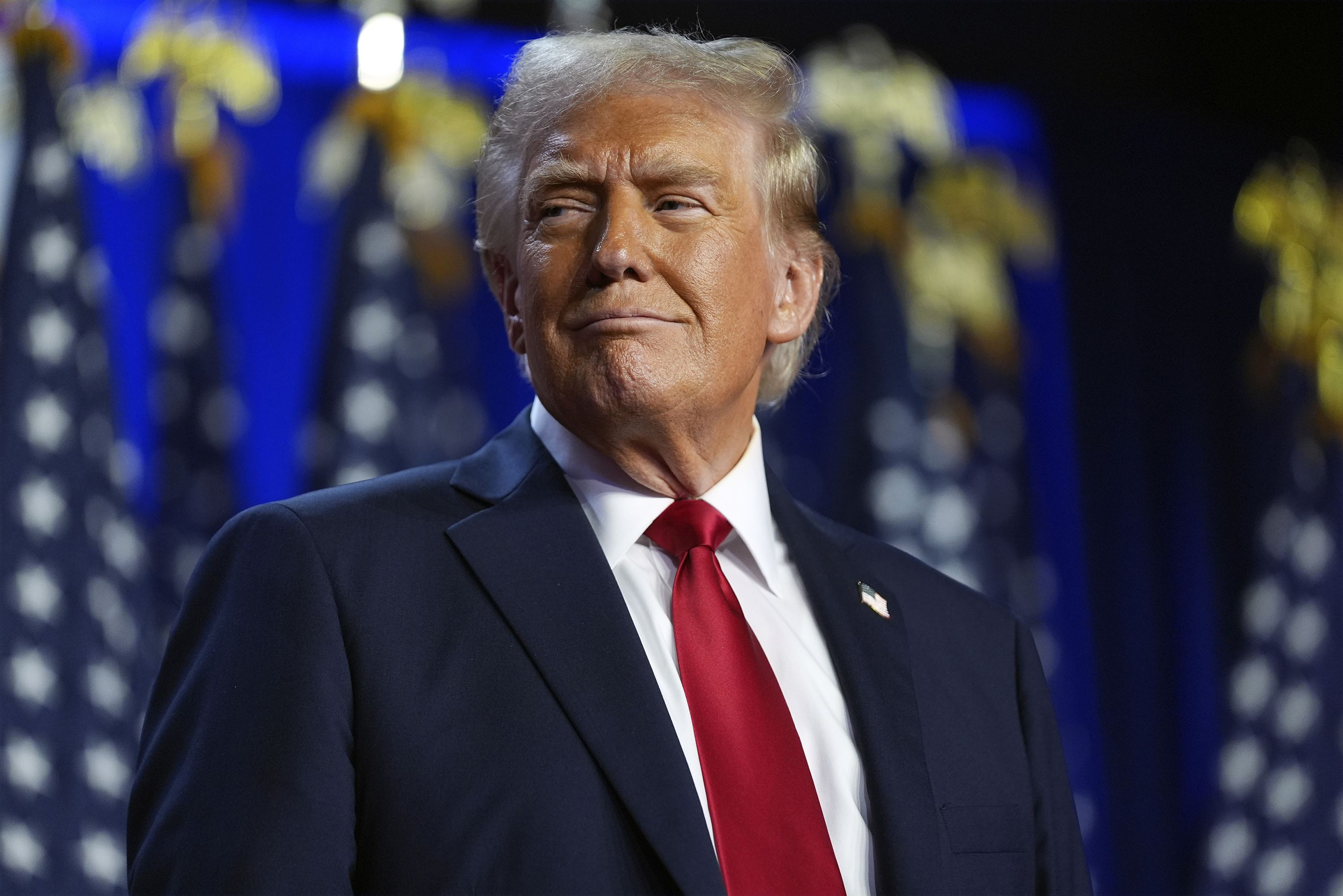
Trump’s Endgame: Chaos or Comeback?
Introduction
Okay, let’s be honest, the name “Trump” is enough to make heads turn, fingers fly across keyboards, and political opinions clash faster than you can say “Make America Great Again.” Whether you love him or loathe him, there’s no denying the man has a knack for keeping himself, and the political landscape, perpetually in the headlines. But with legal battles mounting, a divided Republican party, and the ever-present shadow of the 2024 election, what *is* Donald Trump’s endgame? Is he orchestrating a grand return to power, or is he paving the way for a legacy defined by chaos and contention?
That’s the billion-dollar question, and frankly, the answer is probably somewhere in between. What’s far more important is understanding the potential short-term and long-term impact of whatever path he chooses, not just for the Republican party, but for the very fabric of American democracy.
The Immediate Impact: Turbulence and Division
Let’s face it, Trump thrives on disruption. His political style, often characterized by bombastic rhetoric and a refusal to back down, tends to create immediate ripples – or, more accurately, tsunamis – in the political sphere. In the short term, this means:
- Fractured Republican Party: We’ve already seen the cracks. The GOP is currently a house divided, with some fiercely loyal to Trump, others seeking a more moderate path, and still others openly criticizing his actions. His continued influence, whether he runs in 2024 or not, will undoubtedly deepen these divisions, making it harder for the party to coalesce around a single agenda.
- Heightened Political Polarization: Trump’s rhetoric often appeals to the base, solidifying existing divisions rather than bridging them. This heightened polarization makes compromise and bipartisan cooperation increasingly difficult, hindering progress on crucial issues like healthcare, climate change, and economic reform.
- Legal Challenges and Distraction: Let’s not forget the elephant in the courtroom. The numerous investigations and lawsuits surrounding Trump, ranging from financial dealings to his role in the January 6th insurrection, will continue to dominate the news cycle. These legal battles will not only consume significant resources but also distract from critical policy debates and potentially further erode public trust in institutions.
The Long Game: Legacy and the Future of American Politics
While the immediate chaos is undeniable, the long-term consequences of Trump’s influence are far more profound. We’re talking about the potential reshaping of American political norms, the erosion of democratic institutions, and the lasting impact on future generations.
- Normalization of Extremism: Perhaps the most concerning long-term effect is the normalization of extremist views and behaviors. Trump’s willingness to engage in conspiracy theories, attack political opponents, and question the legitimacy of elections has, unfortunately, paved the way for others to do the same. This erosion of basic democratic norms poses a significant threat to the stability of the nation.
- Diminished Trust in Institutions: Trump’s constant attacks on the media, the judiciary, and other institutions have eroded public trust in these vital pillars of democracy. This lack of trust makes it harder to address critical issues, as people become increasingly skeptical of information and leadership.
- Impact on Future Leadership: The Trump era has undoubtedly influenced the ambitions and strategies of future political leaders. Some may seek to emulate his populist appeal and disruptive tactics, while others may strive to restore a more traditional and consensus-driven approach to governance. The long-term impact on leadership styles and priorities remains to be seen.
Charting a Different Course: Practical Solutions for a Better Future
So, what can be done to mitigate the potential negative impacts and steer towards a more positive future? The answer lies in a multi-pronged approach that focuses on strengthening democratic institutions, promoting civic engagement, and fostering a more inclusive political discourse.
Here are some practical solutions:
- Strengthening Democratic Institutions: This involves concrete actions like:
- Protecting Voting Rights: Ensure fair and accessible elections for all citizens by combating voter suppression efforts and promoting automatic voter registration.
- Reforming Campaign Finance: Limit the influence of money in politics by enacting campaign finance reforms that reduce the role of large donors and special interests.
- Strengthening Ethics Oversight: Enhance ethical standards and accountability for elected officials by creating independent ethics commissions with the power to investigate and punish misconduct.
- Promoting Civic Engagement: An informed and engaged citizenry is the best defense against extremism and misinformation. We can achieve this through:
- Investing in Civic Education: Enhance civics education in schools to equip students with the knowledge and skills to participate effectively in a democratic society.
- Supporting Local Journalism: Local news outlets play a crucial role in informing communities and holding local leaders accountable. Support them through subscriptions, donations, or by advocating for policies that protect local journalism.
- Encouraging Dialogue and Debate: Create spaces for constructive dialogue and debate on important issues. This can involve town hall meetings, community forums, or online platforms designed to foster respectful communication.
- Fostering Inclusive Political Discourse: This requires a conscious effort to move away from divisive rhetoric and towards a more inclusive and respectful political discourse.
- Promoting Media Literacy: Equip citizens with the skills to critically evaluate information and identify misinformation.
- Holding Leaders Accountable: Demand that political leaders uphold ethical standards and refrain from using inflammatory language or spreading conspiracy theories.
- Building Bridges Across Divides: Actively seek out opportunities to connect with people who hold different political views and engage in respectful conversations.
Case Study: The Success of Ranked-Choice Voting
One promising reform gaining traction is ranked-choice voting (RCV). In jurisdictions that have adopted RCV, voters rank candidates in order of preference. If no candidate receives jawabet88 rtp a majority in the first count, the candidate with the fewest votes is eliminated, and their votes are redistributed based on voters’ second preferences. This process continues until a candidate reaches a majority.
- Benefits of RCV: RCV encourages candidates to appeal to a broader range of voters, promotes more civil campaigns, and reduces the risk of “spoiler” candidates who split the vote.
- Example: Maine became the first state to adopt RCV for statewide elections in 2018. Studies have shown that RCV has led to more positive and inclusive campaigns in Maine, as candidates are incentivized to build coalitions and avoid alienating voters who might rank them second or third.
Alternative Approaches: From Grassroots Activism to Corporate Responsibility
Beyond institutional reforms, there are numerous other avenues for positive change.
- Grassroots Activism: Citizen-led movements can be powerful forces for change. Supporting organizations working on issues you care about, participating in peaceful protests, and engaging in local activism can make a real difference.
- Corporate Responsibility: Businesses have a responsibility to uphold democratic values and promote ethical behavior. Consumers can support companies that prioritize social responsibility and hold accountable those that contribute to the spread of misinformation or division.
- Personal Responsibility: Ultimately, each of us has a role to play in shaping the future of our democracy. Engaging in respectful dialogue with others, educating ourselves on important issues, and holding our elected officials accountable are all essential steps.
The Future is Not Fixed: A Call to Action
The question of whether Trump’s endgame is chaos or comeback remains open. But the more critical question is: what is *your* endgame? Do you want to passively watch as the political landscape is shaped by division and distrust, or do you want to actively participate in building a more inclusive, informed, and just society?
The solutions outlined above are not easy, nor are they guaranteed to succeed overnight. But they offer a roadmap for positive change, a path towards a future where democratic institutions are strengthened, civic engagement is vibrant, and political discourse is respectful.
Don’t let apathy or cynicism paralyze you. Embrace the challenge, find your niche, and contribute your unique talents to the effort. The future of American democracy is not predetermined. It is being written right now, by the choices we make and the actions we take. Let’s choose to write a story of hope, resilience, and progress, together.
