
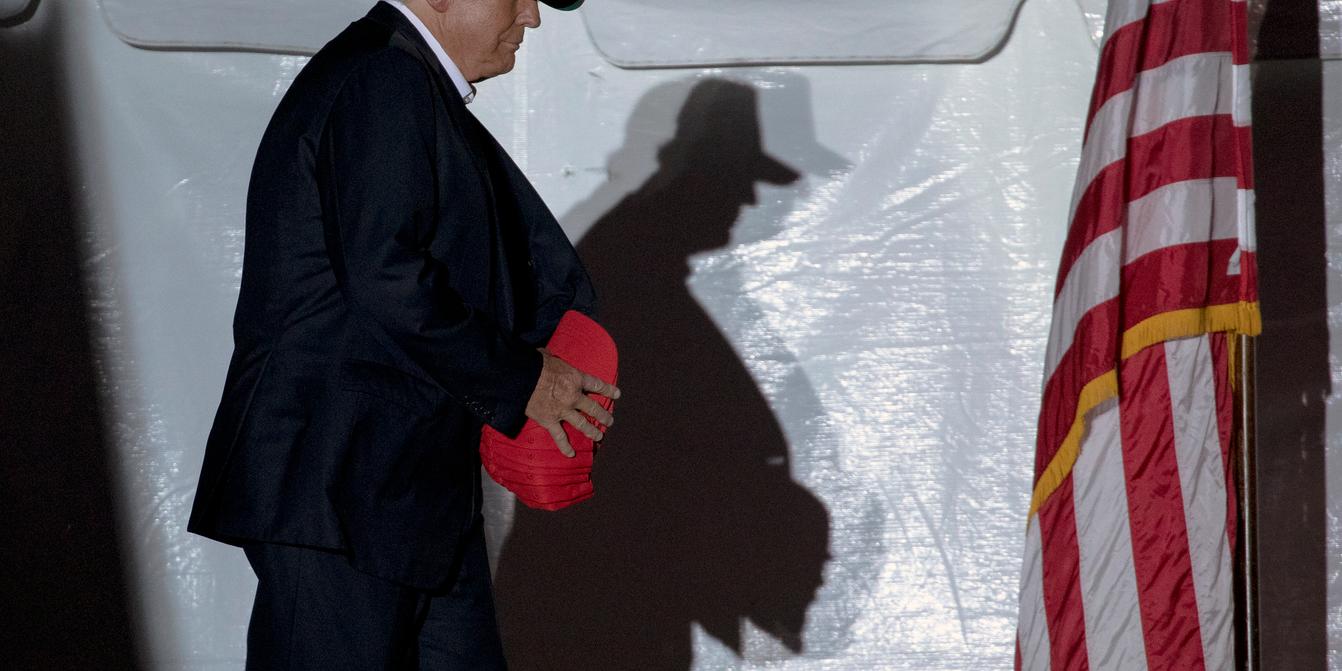
Trump’s Shadow Looms: Today’s Headlines Cast a Long Shadow
You can’t deny it. Even when he’s not dominating the daily news cycle in the way he once did, Donald Trump’s influence continues to ripple through our political landscape. Today’s headlines, from debates over election integrity to judicial appointments, feel like echoes of his presidency, casting a long shadow over the present and future of American society. Whether you agree with his policies or not, understanding the lasting impact of his time in office is crucial to navigating the complexities of our current reality. So, let’s dive in, shall we?
The Short-Term Scramble: Firefighting on Multiple Fronts
The immediate aftermath of Trump’s presidency has been characterized by a frantic effort to address a multitude of issues. We’re talking about everything from rebuilding international alliances frayed by “America First” policies to tackling the ongoing threat of misinformation that flourished during his tenure.
Think about it. We’re still seeing the consequences of the January 6th Capitol riot, a stark reminder of the divisions that were amplified during Trump’s presidency. The investigations, the trials, and the lingering mistrust all contribute to a climate of political polarization that makes consensus-building incredibly difficult.
Furthermore, the debates surrounding voting rights are directly tied to the narrative of a “stolen election” aggressively pushed by Trump and his allies. This has led to restrictive voting laws in several states, raising concerns about voter suppression and undermining the very foundation of our democracy. The short-term impact? Increased litigation, partisan gridlock, and a further erosion of public trust in the electoral process.
And let’s not forget the judicial appointments. The conservative shift in the Supreme Court, solidified during Trump’s presidency, is already impacting landmark rulings, with significant ramifications for issues like abortion rights and environmental regulations. The legal battles unfolding today are a direct consequence of this reshaping of the judiciary, and their outcomes will have far-reaching consequences for generations to come.
The Long Game: Reshaping the American Landscape
Beyond the immediate crises, the long-term implications of Trump’s presidency are even more profound. We’re talking about a fundamental shift in the way we engage in political discourse, the erosion of trust in institutions, and the potential for lasting divisions within American society.
One of the most significant long-term impacts is the normalization of political polarization. The rhetoric of “us vs. them” that was so prevalent during Trump’s presidency has seeped into our everyday lives, making it harder to find common ground and engage in constructive dialogue. This polarization is not just confined to politics; it’s affecting our communities, our families, and even our personal relationships.
Another long-term concern is the erosion of trust in institutions, including the media, the government, and the scientific community. The constant attacks on these institutions during Trump’s presidency have created a climate of skepticism and distrust, making it harder to address critical challenges like climate change and public health crises. Rebuilding this trust will be a long and arduous process.
Finally, the legacy of Trump’s presidency is likely to shape the future of the Republican Party. The internal struggles between traditional conservatives and the more populist, nationalist wing of the party will continue to play out in the years to come, potentially leading to further divisions and uncertainty within the political landscape.
Navigating the Aftermath: Practical Solutions for a Divided Nation
So, what can we do to navigate this complex landscape and mitigate the long-term impacts of Trump’s presidency? The answer, thankfully, isn’t a single silver bullet, but rather a multifaceted approach that focuses on healing divisions, rebuilding trust, and strengthening our democratic institutions. Here are some practical solutions:
- Promote Civil Discourse: One of the most important things we can do is to foster a culture of civil discourse and respectful dialogue. This means actively listening to different perspectives, even when we disagree, and engaging in conversations that are based on facts and evidence. Organizations like “Braver Angels” offer workshops and resources to help people from different political backgrounds engage in constructive dialogue.
- Support Fact-Checking Initiatives: In an era of misinformation and “fake news,” it’s crucial to support independent fact-checking organizations that are dedicated to verifying information and debunking false claims. Sites like Snopes, PolitiFact, and FactCheck.org provide valuable resources for consumers of news and information.
- Strengthen Civic Education: A well-informed citizenry is essential for a healthy democracy. We need to invest in civic education programs that teach young people about the Constitution, the history of our democracy, and the importance of civic engagement. Initiatives like the “Civic Season” promote civic education through nationwide events and online resources.
- Reform Campaign Finance Laws: The influence of money in politics is a major driver of polarization and gridlock. Reforming campaign finance laws to reduce the power of wealthy donors and special interests could help level the playing field and create a more representative democracy. Organizations like “Common Cause” advocate for campaign finance reform at the state and federal levels.
- Protect Voting Rights: Ensuring that all eligible citizens have the right to vote is fundamental to a healthy democracy. We need to resist efforts to restrict voting access and support policies that make it easier for people to participate in elections. Organizations like the “American Civil Liberties Union (ACLU)” and the “League of Women Voters” are actively working to protect voting rights across the country.
- Engage in Local Politics: Change often starts at the local level. Get involved in your community by attending town hall meetings, volunteering for local organizations, and running for local office. This is a powerful way to make a difference and shape the future of your community.
Alternative Approaches: Adapting to a Changing Reality
While the solutions above provide a solid foundation, it’s important to recognize AZTEC88 that different communities and individuals may require different approaches. Here are a few alternative strategies to consider:
- Focus on Bridge-Building Organizations: Instead of trying to change people’s minds directly, focus on supporting organizations that bring people from different backgrounds together to work on common goals. This can help build trust and understanding across divides.
- Emphasize Shared Values: Instead of focusing on divisive issues, emphasize the values that unite us as Americans, such as freedom, equality, and opportunity. This can help create a sense of shared identity and purpose.
- Promote Media Literacy: Teach people how to critically evaluate news and information sources. This can help them avoid falling prey to misinformation and propaganda.
- Support Local Journalism: Local news outlets play a vital role in informing communities and holding local officials accountable. Supporting local journalism can help strengthen democracy from the ground up.
Looking Ahead: A Call to Action
The shadow of Trump’s presidency may loom large, but it doesn’t have to define our future. By actively engaging in our communities, supporting democratic institutions, and fostering a culture of civil discourse, we can create a brighter future for ourselves and for generations to come.
It’s not going to be easy. There will be setbacks and challenges along the way. But if we work together, with a spirit of optimism and determination, we can overcome these challenges and build a more just and equitable society. The time for action is now. Let’s rise to the occasion and shape the future we want to see. Remember, the power to create positive change rests in our hands. Let’s use it wisely.
