

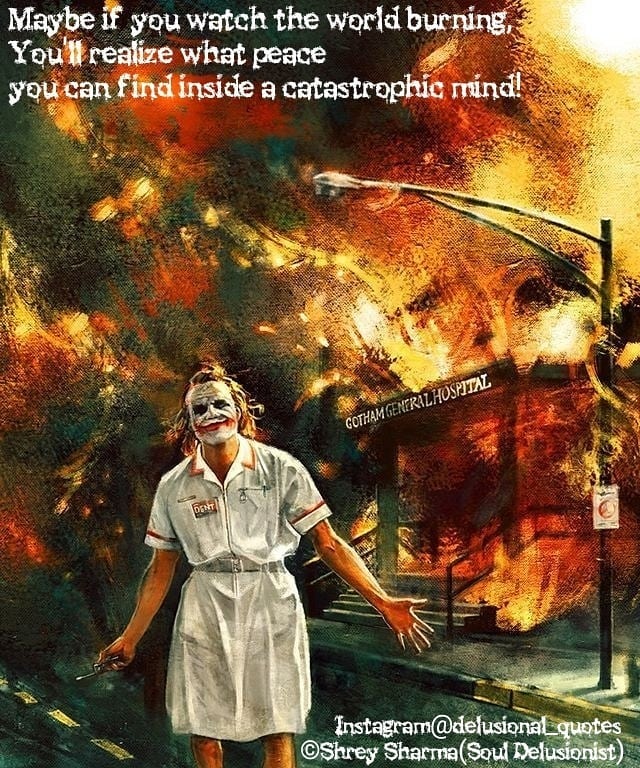
The World is Burning: Are You Watching?
Introduction
Okay, let’s be honest. The news can be… well, a bit overwhelming. Climate change, political unrest, social inequalities – it often feels like the world is teetering on the edge. But amidst the constant stream of information, have you ever paused and really considered the gravity of the situation? The world is burning, metaphorically and sometimes literally, and the question isn’t just if we should care, but how we should respond.
Think of it like this: your house is on fire. Would you just sit back and watch the flames consume everything, or would you grab a bucket of water (or, at the very least, call the fire department)? This article isn’t about preaching doom and gloom. It’s about understanding the fire, figuring out what’s fueling it, and equipping ourselves with the tools to help put it out.
So, where are these fires burning the brightest? Let’s take a look.
Explanation of the Problem
The Short-Term Flare-Ups:
The immediate effects of our current trajectory are all around us. Extreme weather events, like hurricanes, floods, and droughts, are becoming increasingly frequent and intense. Think about the devastating floods in Pakistan, the record-breaking heatwaves in Europe, or the increasingly destructive wildfires in California. These aren’t isolated incidents; they are connected threads in a pattern of escalating environmental instability.
Beyond the environmental impacts, there are significant economic and social consequences. Supply chains are disrupted, food prices are soaring, and displacement of populations due to environmental disasters is becoming a harsh reality. The cost of inaction is not just environmental; it’s economic, social, and deeply human. Imagine a farmer losing their livelihood due to a prolonged drought, or a family forced to evacuate their home because of rising sea levels. These scenarios are no longer hypothetical; they are happening right now.
The Long-Term Embers:
While the short-term impacts are readily visible, the long-term consequences are even more daunting. Rising sea levels will gradually submerge coastal communities, displacing millions and redrawing coastlines. Changes in agricultural patterns will lead to food shortages and widespread malnutrition, particularly in vulnerable regions. Resource scarcity, exacerbated by climate change, will likely fuel conflicts and political instability.
Consider the melting glaciers in the Himalayas. They are not just scenic landscapes; they are crucial sources of freshwater for billions of people in Asia. As they disappear, water scarcity will become a major threat, impacting agriculture, sanitation, and overall human health. The long-term embers of our current actions are slowly but surely building towards a potentially catastrophic future.
Solutions
Feeling overwhelmed yet? Don’t be! The good news is, while the challenges are significant, so is our potential for change. The key is to break down these massive problems into actionable steps. Here are some practical solutions that you can consider, ranging from personal choices to collective action:
- Embrace Sustainable Consumption:
- Reduce, Reuse, Recycle: This might sound like a broken record, but it’s fundamental. Be mindful of your consumption habits. Choose products with minimal packaging, repair items instead of replacing them, and actively participate in recycling programs.
- Case Study: Look at the “zero-waste” movement. People are finding creative ways to minimize their waste through bulk buying, reusable containers, and composting.
- Eat Responsibly: Reduce your meat consumption. Livestock farming is a major contributor to greenhouse gas emissions. Opt for plant-based alternatives and support local, sustainable agriculture.
- Example: Try incorporating “Meatless Mondays” into your routine. It’s a small change that can make a big difference.
- Travel Smart: Consider alternative transportation methods like cycling, walking, or public transport whenever possible. If you need to fly, offset your carbon footprint.
- Practical Tip: Use carbon footprint calculators to understand the impact of your travel and choose airlines that invest in carbon offset programs.
- Reduce, Reuse, Recycle: This might sound like a broken record, but it’s fundamental. Be mindful of your consumption habits. Choose products with minimal packaging, repair items instead of replacing them, and actively participate in recycling programs.
- Advocate for Policy Changes:
- Vote with Your Values: Support politicians and policies that prioritize environmental protection and social justice.
- Get Involved: Contact your elected officials and voice your concerns about climate change and other pressing issues.
- Support Environmental Organizations: Donate to or volunteer with organizations working to protect the environment and promote sustainable development.
- Example: Support local environmental groups that are advocating for cleaner air and water in your community.
- Vote with Your Values: Support politicians and policies that prioritize environmental protection and social justice.
- Invest in Sustainable Businesses:
- Ethical Investing: Consider investing in companies that are committed to sustainability and social responsibility.
- Research: Look for companies with strong environmental, social, and governance (ESG) ratings.
- Support Local Businesses: Choose to shop at local businesses that prioritize sustainability and ethical practices.
- Think Local: Support farmers’ markets, local artisans, and businesses that are committed to reducing their environmental impact.
- Ethical Investing: Consider investing in companies that are committed to sustainability and social responsibility.
- Educate Yourself and Others:
- Stay Informed: Keep up-to-date with the latest research and developments on climate change and other environmental issues.
- Reliable Sources: Rely on reputable sources like scientific journals, government reports, and trusted news outlets.
- Spread Awareness: Talk to your friends, family, and colleagues about the importance of sustainability and encourage them to take action.
- Start Conversations: Share articles, videos, and personal experiences that highlight the impact of environmental issues and the potential for positive change.
- Stay Informed: Keep up-to-date with the latest research and developments on climate change and other environmental issues.
- Embrace Innovation and Creativity:
- Support Green Technologies: Invest in and support the development of innovative technologies that can help reduce our environmental impact.
- Look Ahead: Explore opportunities in renewable energy, sustainable agriculture, and other emerging green industries.
- Find Creative Solutions: Look for creative ways to reduce your environmental footprint and inspire others to do the same.
- DIY Projects: Experiment with DIY projects like composting, gardening, or making your own cleaning products.
- Support Green Technologies: Invest in and support the development of innovative technologies that can help reduce our environmental impact.
Alternative Approaches:
It’s important to remember that there’s no one-size-fits-all solution. Here are a few alternative approaches you can consider:
- Focus on Local Action: Start by addressing environmental issues in your local community. This can be a more manageable and impactful way to contribute to the larger global effort.
- Practice Mindfulness: Cultivate a deeper connection with nature through practices like meditation, spending time outdoors, and appreciating the beauty of the natural world.
- Join a Community: Connect with like-minded individuals who are passionate about sustainability and environmental protection. This can provide support, inspiration, and opportunities for collaboration.
Conclusion
Ultimately, the most important step is to ignite the “fire within” – a passion for change and a commitment to creating a better future. Don’t wait for someone else to take action; start with yourself. Every small change, every conscious choice, makes a difference.
The world is burning, yes, but it’s not beyond saving. By understanding the challenges, embracing practical solutions, and working together, we can extinguish the flames and build a more sustainable and equitable future for all. Let’s not just watch the world burn; let’s become the firefighters. The future is not predetermined; it is what we choose to make it. So, are you ready to pick up a bucket?
