

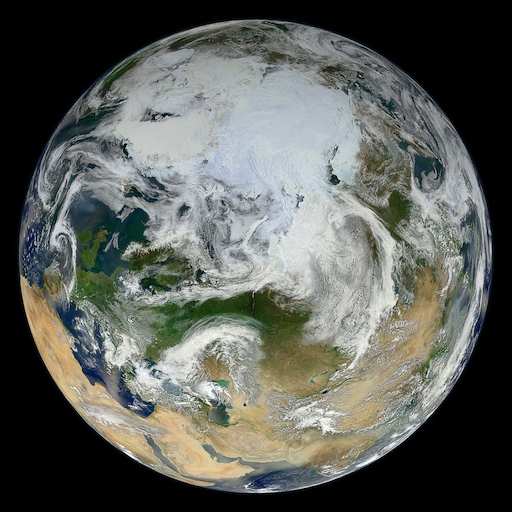
The World. Now.
Introduction
Ever feel like you’re trying to sip coffee from a firehose? The world’s moving at breakneck speed, and keeping up feels less like a marathon and more like a sprint… uphill… in quicksand. From AI reshaping industries to climate change redrawing coastlines, the “now” is a whirlwind of unprecedented change. But amidst the chaos, lies incredible opportunity. The trick is understanding the forces at play and figuring out how to navigate them.
So, let’s take a deep breath and unpack what’s happening right now, exploring both the short-term bumps and the long-term tectonic shifts. Because acknowledging the challenges is the first step towards shaping a better future.
The Short Game: Navigating the Immediate Turbulence
Right now, our world is grappling with a potent cocktail of challenges. Inflation pinches wallets, supply chains still hiccup after the pandemic, and political polarization feels more entrenched than ever. These aren’t abstract problems; they’re impacting our daily lives.
Take, for instance, the rising cost of living. Grocery bills are higher, gas prices fluctuate wildly, and the dream of homeownership feels further away for many. This immediate pressure can lead to short-sighted decisions, both individually and collectively. Businesses might delay investments, and individuals might postpone crucial long-term savings.
Similarly, the disrupted supply chains have exposed vulnerabilities in global trade. Remember the toilet paper shortage of 2020? That was just the tip of the iceberg. From electronics to medicines, our reliance on complex, interconnected networks means that even minor disruptions can have major consequences. This not only impacts businesses but also raises concerns about national security and economic stability.
The rise of AI, while offering immense potential, also presents immediate anxieties. Job displacement, the spread of misinformation, and ethical concerns about algorithmic bias are all pressing issues demanding our attention. We’re already seeing AI-generated content flooding the internet, making it harder to distinguish truth from fiction. The implications for journalism, education, and even democracy are profound.
The Long Game: Shaping the Future Landscape
Looking further down the road, the stakes are even higher. Climate change looms large, promising more frequent and intense weather events, rising sea levels, and mass migrations. The window to avert the worst consequences is rapidly closing.
But climate change isn’t just an environmental problem; it’s a social and economic one too. Disproportionately affecting vulnerable communities, it exacerbates existing inequalities and fuels conflict over dwindling resources.
Demographic shifts are also reshaping our world. Aging populations in many developed countries are creating strain on healthcare systems and pension funds, while rapid urbanization in developing nations is straining infrastructure and creating new social challenges.
Technological advancements, particularly in areas like biotechnology and nanotechnology, hold the potential to solve some of these challenges, but they also raise profound ethical questions about human enhancement, privacy, and control. Consider gene editing technologies like CRISPR, which could potentially eradicate hereditary diseases but also raises the specter of designer babies.
So, What Can We Do? A Toolkit for Navigating the Now
Okay, enough with the doom and gloom. Let’s get practical. While these challenges are daunting, they’re not insurmountable. Here are some actionable steps we can take, both individually and collectively, to navigate the “now” and shape a better future:
- Embrace Lifelong Learning: The skills needed to thrive in the future are constantly evolving. Invest in yourself by learning new technologies, developing critical thinking skills, and staying adaptable. Online courses, workshops, and even just reading widely can help you stay ahead of the curve. Think of it like this: the more tools you have in your toolkit, the better equipped you’ll be to handle whatever the future throws your way.
- Support Sustainable Practices: Vote with your wallet and your voice. Choose products and services that are environmentally responsible, support businesses committed to sustainability, and advocate for policies that promote a greener future. Simple changes like reducing your carbon footprint, conserving water, and reducing waste can make a significant difference. Consider supporting companies that are transparent about their environmental impact and are actively working to reduce it.
- Engage in Constructive Dialogue: In a world of echo chambers, it’s crucial to engage in conversations with people who hold different perspectives. Listen actively, seek common ground, and avoid personal attacks. Remember, progress requires collaboration and understanding, even when we disagree. Look for opportunities to participate in community discussions, town hall meetings, or online forums where you can engage in respectful debate and learn from others.
- Invest in Community: Strong communities provide a safety net during times of uncertainty and foster resilience. Get involved in local initiatives, support your neighbors, and build meaningful connections. Whether it’s volunteering at a food bank, participating in a community garden, or simply reaching out to a lonely neighbor, small acts of kindness can have a ripple effect.
- Promote Digital Literacy: The ability to critically evaluate information online is more important than ever. Learn how to identify fake news, understand algorithmic bias, and protect your privacy. Share your knowledge with others and advocate for media literacy education in schools. Organizations like the News Literacy Project offer resources and training to help people become more informed and discerning consumers of information.
- Advocate for Policy Changes: Individual actions are important, but systemic change requires policy interventions. Support political candidates who champion sustainable development, invest in education, and promote social justice. Contact your elected officials, participate in protests, and make your voice heard on issues that matter to you. Remember, collective action can create real and lasting change.
Case Study: The Rise of Local Food Systems
One inspiring example of a community-driven solution is the growing movement towards local food systems. By supporting local farmers and producers, communities can reduce their reliance on global supply chains, promote sustainable agriculture, and strengthen local economies. Farmers’ markets, community-supported agriculture (CSA) programs, and urban farming initiatives are all examples of how communities are taking control of their food security.
The Path Forward: Optimism and Action
The world. Now. It’s complex, it’s challenging, and it’s brimming with potential. By understanding the forces at play, embracing lifelong learning, and engaging in constructive action, we can navigate the turbulence and shape a better future. The key is to move beyond fear and despair and embrace a spirit of optimism and collaboration. Every small action, every conscious choice, contributes to a larger movement.
Don’t be overwhelmed by the magnitude of the challenges. Focus on what you can control, find your passion, and get involved. The future isn’t something that happens to us; it’s something we create. So, let’s get to work. The world. Now. Needs you.
